
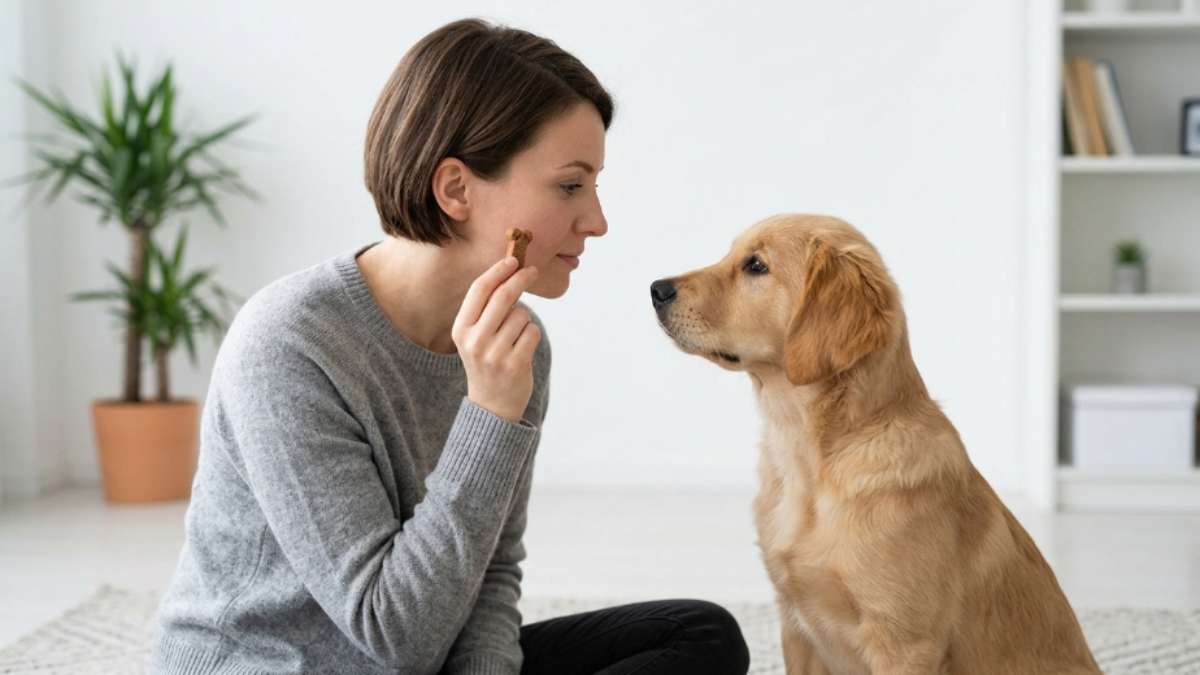
Basic dog training is the foundation of a well-behaved, confident, and happy dog. Whether you have a playful puppy or an adult dog, training helps you build communication, trust, and discipline. Many dog owners think training is only about teaching tricks, but in reality, it is about shaping behavior that makes daily life easier and safer for both the dog and the owner.
A trained dog is easier to manage at home, in public places, and around other animals. Without proper training, dogs may develop unwanted behaviors like excessive barking, jumping on people, chewing furniture, or ignoring commands. These habits may seem small at first but can become serious problems over time.
Think of dog training like teaching a child manners. It takes patience, repetition, and consistency. Dogs don’t understand language the way humans do—they understand tone, actions, and rewards. That’s why basic training is all about clear signals and positive reinforcement.
Why Basic Dog Training is Important
Basic training is not optional; it is essential for a peaceful life with your dog. One of the biggest benefits is better communication. When your dog understands simple commands, you can guide their behavior easily in any situation.
Training also ensures safety. Commands like “sit,” “stay,” and “come” can protect your dog from dangerous situations such as traffic, aggressive animals, or unsafe environments.
Another important reason is behavior control. Without training, dogs may develop destructive habits or become overly aggressive or anxious. Basic training helps them understand boundaries and expectations.
It also improves the bond between owner and dog. Dogs naturally seek leadership, and training builds trust and respect. A well-trained dog is more relaxed, confident, and socially balanced.
Key Principles of Basic Dog Training
Before starting training, it’s important to understand a few basic principles that make the process successful.
Consistency
Dogs learn through repetition. If you allow a behavior sometimes but correct it at other times, the dog will get confused. Always be consistent with commands and rules.
Positive Reinforcement
Reward-based training is the most effective method. Treats, praise, and affection encourage good behavior. Dogs repeat actions that lead to positive outcomes.
Patience
Training takes time. Every dog learns at a different pace. Rushing the process can lead to frustration for both you and your dog.
Clear Communication
Use simple words and a calm tone. Dogs respond better to short commands like “sit,” “stay,” or “come.”
Essential Basic Commands Every Dog Should Learn
Sit Command
The “sit” command is one of the first and most important commands. It helps control excitement and teaches discipline. To train this, hold a treat above your dog’s head and slowly move it backward. As the dog follows the treat, it will naturally sit down. Once they sit, reward them immediately.
Stay Command
The “stay” command teaches patience and control. Ask your dog to sit, then slowly step back while saying “stay.” If the dog remains in place, reward them. Gradually increase distance and duration over time.
Come Command
This command is crucial for safety. It ensures your dog returns to you when called. Start in a quiet environment and call your dog using a happy tone. Reward them when they come to you. Never punish a dog after they come, even if they were misbehaving.
Down Command
The “down” command helps calm an energetic dog. Hold a treat close to the ground and guide your dog into a lying position. Once they lie down, reward them immediately.
Leave It Command
This command prevents dogs from picking up harmful objects. Place a treat on the ground and say “leave it.” When the dog ignores it, reward them with a better treat from your hand.
Common Basic Training Mistakes
Many dog owners unintentionally make mistakes during training that slow progress.
One common mistake is inconsistent rules. If you allow jumping on the sofa sometimes but not always, your dog will get confused.
Another mistake is punishing instead of rewarding. Dogs learn better through positive reinforcement than fear or punishment.
Some owners also expect quick results. Training takes time, and rushing can lead to frustration.
Lastly, poor timing of rewards can confuse the dog. Always reward immediately after the correct behavior.
Training Tips for Better Results
Start training in a quiet environment with no distractions. Once your dog learns basic commands, slowly introduce distractions like other people or outdoor spaces.
Keep training sessions short—around 10 to 15 minutes—to maintain your dog’s focus. Long sessions can make dogs lose interest.
Use high-value treats during early training stages. As your dog improves, gradually reduce treat frequency and replace it with praise.
Most importantly, end each training session on a positive note so your dog stays motivated.
Basic Training for Puppies vs Adult Dogs
Puppies are easier to train because they are still developing habits. However, they also have shorter attention spans, so training must be fun and short.
Adult dogs may take longer to learn new behaviors, especially if they already have bad habits. But with patience and consistency, they can still be trained effectively.
The key difference is that puppies learn faster, while adult dogs need more repetition.
Conclusion
Basic dog training is the first and most important step in raising a well-behaved dog. It builds discipline, improves communication, and strengthens the bond between you and your pet. Simple commands like sit, stay, and come may seem small, but they create a foundation for lifelong good behavior.
Training is not about control it’s about understanding. With patience, consistency, and positive reinforcement, every dog can become well-trained and confident. The effort you put into training today will reward you with a calm, happy, and obedient companion for years to come.
FAQs
1. What is the best age to start basic dog training?
Training should start as early as 8 weeks old, but adult dogs can also be trained effectively.
2. How long does basic dog training take?
It depends on the dog, but most basic commands take a few weeks of consistent practice.
3. What is the most important basic command?
The “come” command is the most important for safety and control.
4. Should I use treats for training?
Yes, treats are very effective in early training stages as positive reinforcement.
5. Can older dogs learn basic training?
Yes, older dogs can learn with patience and consistent practice.
Add a Comment