
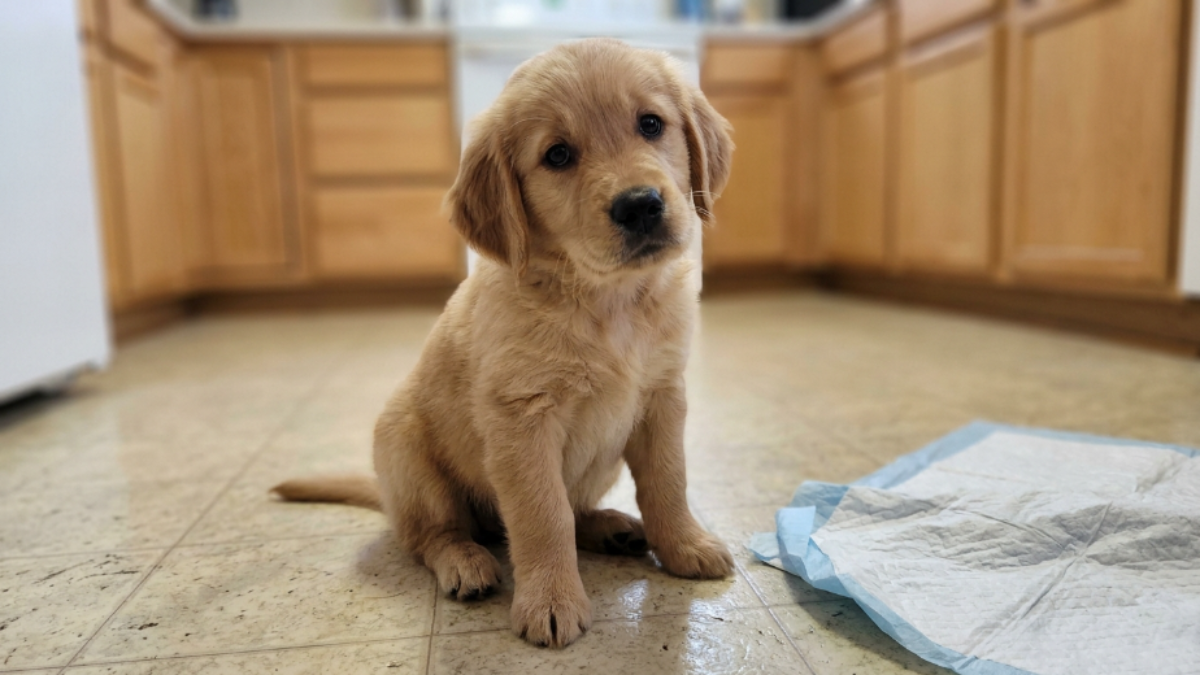
Potty training is one of the most important steps in raising a well-behaved dog. It teaches your dog where and when to relieve themselves, helping maintain cleanliness at home and building a strong routine. Whether you have a young puppy or an older dog that needs correction, potty training is all about patience, timing, and consistency.
Many new dog owners struggle with this stage because accidents are normal in the beginning. Dogs don’t automatically understand where they should go they need clear guidance. Think of potty training like teaching a child toilet habits. It takes repetition, supervision, and encouragement before it becomes a natural behavior.
A properly potty-trained dog not only keeps your home clean but also reduces stress and strengthens your bond with your pet.
Why Potty Training is Important
Potty training is not just about cleanliness it is about discipline and routine. A trained dog understands boundaries, which makes life easier for both the owner and the pet.
One major benefit is hygiene control. Without training, dogs may urinate or defecate anywhere in the house, leading to bad smells and an unhealthy environment.
It also helps in behavior development. Dogs that learn structure early in life tend to be more disciplined in other areas of training as well.
Another important reason is stress reduction. When your dog knows where to go, they feel more secure and confident, and you avoid frustration from constant cleaning.
Best Age to Start Potty Training
The ideal time to start potty training is between 8 to 12 weeks of age for puppies. At this stage, they are still developing habits and can learn quickly.
However, older dogs can also be trained successfully. It may take more time and patience, but consistency always leads to results.
The earlier you start, the easier it becomes to shape long-term behavior.
Basic Principles of Potty Training
Consistency is Key
Take your dog to the same spot every time. Repetition helps them understand where they should go.
Timing Matters
Dogs usually need to go after eating, drinking, sleeping, or playing. Take them out immediately after these activities.
Positive Reinforcement
Always reward your dog after successful potty behavior. Treats, praise, or gentle affection help reinforce good habits.
Supervision
Keep an eye on your dog indoors, especially during early training stages. This helps prevent accidents.
Step-by-Step Potty Training Process
Step 1: Choose a Designated Spot
Pick a specific area outside or inside (like a pee pad area) where your dog will always go. Consistency helps them recognize the location.
Step 2: Create a Routine
Take your dog out at regular intervals—morning, after meals, after playtime, and before bed. A routine builds habit.
Step 3: Watch for Signs
Dogs often show signs like sniffing, circling, or whining when they need to go. Take them outside immediately when you notice these behaviors.
Step 4: Reward Immediately
As soon as your dog finishes pottying in the correct place, reward them right away. Timing is very important.
Step 5: Handle Accidents Calmly
If accidents happen indoors, do not punish your dog. Clean the area properly to remove odor so they don’t return to the same spot.
Indoor vs Outdoor Potty Training
Outdoor Training
Outdoor potty training is the most natural method. Dogs learn to associate grass or soil with bathroom behavior. It also helps keep your home clean.
Indoor Training
Indoor training uses pee pads or litter boxes. This method is useful for apartment living or bad weather conditions. However, it requires careful placement and consistency.
Common Potty Training Mistakes
One common mistake is inconsistent timing. If you take your dog out randomly, they will not form a clear routine.
Another mistake is punishing accidents. Dogs do not understand punishment after the fact; it only creates fear and confusion.
Some owners also fail to clean accidents properly. If odor remains, dogs may repeat the behavior in the same spot.
How Long Does Potty Training Take?
The duration depends on the dog’s age, breed, and consistency of training. Puppies may take a few weeks to a few months. Older dogs may take longer if they already have bad habits.
With consistent effort, most dogs can be fully potty trained within 4–8 weeks.
Helpful Tips for Faster Potty Training
Stick to a strict schedule and avoid random feeding times. A consistent feeding routine helps control potty timing.
Use the same command word like “go potty” every time so your dog associates the phrase with action.
Limit your dog’s access to the house during early training stages to prevent accidents.
Be patient—every dog learns at a different speed.
Conclusion
Potty training is a fundamental part of raising a disciplined and happy dog. It requires patience, consistency, and positive reinforcement, but the results are worth the effort. A properly trained dog brings cleanliness, comfort, and peace into your home.
With the right approach, your dog will quickly learn where and when to go, making life easier for both of you. Remember, training is not about control it’s about communication and understanding.
FAQs
1. How long does potty training take for a puppy?
It usually takes 4–8 weeks with consistent training.
2. Should I punish my dog for accidents?
No, punishment can confuse and scare your dog. Use positive reinforcement instead.
3. What is the best time to take a dog outside for potty?
After eating, sleeping, playing, and first thing in the morning.
4. Can older dogs be potty trained?
Yes, older dogs can learn with patience and consistent routine training.
5. What should I do if my dog keeps having accidents?
Check your routine, supervise more closely, and ensure you are rewarding correct behavior immediately.
Add a Comment