
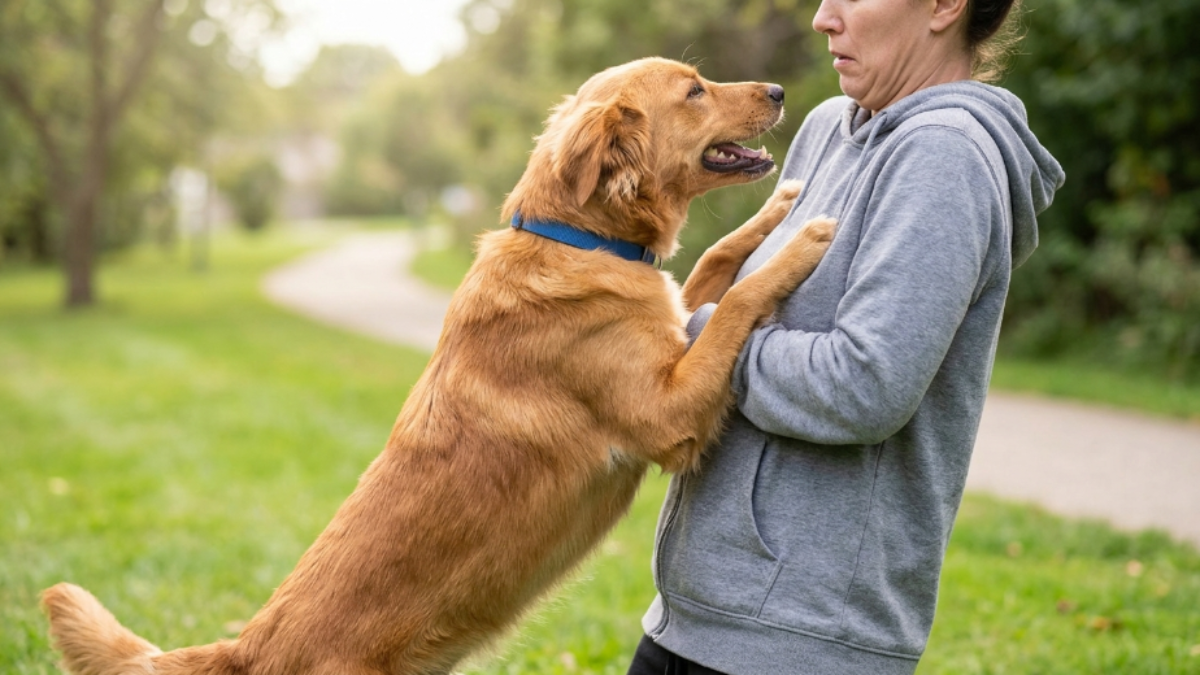
Behavior correction is a crucial part of dog training that focuses on fixing unwanted or problematic behaviors. Every dog, whether puppy or adult, develops certain habits over time—some good and some bad. These unwanted behaviors can include excessive barking, chewing furniture, jumping on people, aggression, or ignoring commands.
The goal of behavior correction is not to punish the dog but to guide them toward better habits using patience, consistency, and positive reinforcement. Dogs don’t misbehave to be “bad”—they act based on instinct, emotion, or lack of training. Understanding this is the first step toward successful correction.
Think of behavior correction like adjusting a direction on a map. You are not stopping the journey you are simply guiding it in a better direction.
Why Dog Behavior Problems Happen
Before correcting behavior, it’s important to understand why it happens in the first place. Dogs usually develop behavioral issues due to unmet needs or lack of training.
One common reason is lack of exercise. A dog with too much energy may start chewing, barking, or acting destructively. Physical and mental stimulation is essential for balance.
Another reason is poor training or inconsistency. If rules change frequently, dogs become confused and develop unwanted habits.
Separation anxiety is another major cause. Dogs that are overly attached to their owners may bark, destroy items, or become anxious when left alone.
Sometimes behavior problems also come from fear or insecurity. A scared dog may react aggressively or try to hide.
Core Principles of Behavior Correction
Positive Reinforcement
Reward good behavior instead of only focusing on bad behavior. Dogs learn faster when they receive treats, praise, or affection for doing the right thing.
Consistency
Rules must always be the same. If jumping on the sofa is not allowed, it should never be allowed.
Timing
Correction or reward must happen immediately after the behavior. Delayed reactions confuse dogs.
Patience
Behavior correction takes time. Some habits may take weeks or even months to fix.
Common Dog Behavior Problems and Solutions
Excessive Barking
Barking is natural, but excessive barking becomes a problem. Dogs may bark due to boredom, attention-seeking, or alert behavior. To correct this, identify the trigger and redirect their attention using commands like “quiet” or “sit.” Reward silence instead of barking.
Chewing and Destructive Behavior
Dogs often chew due to teething, boredom, or anxiety. Provide chew toys and increase exercise time. If the dog chews furniture, calmly redirect them to an appropriate toy.
Jumping on People
Jumping is usually a sign of excitement. Ignore the dog when they jump and only give attention when all four paws are on the ground. Consistency is key.
Aggression
Aggression can come from fear, dominance, or lack of socialization. Never respond with aggression. Instead, identify triggers and gradually expose the dog to controlled environments while reinforcing calm behavior.
Pulling on the Leash
Dogs pull because they are excited or not trained properly. Use the “stop and go” method—stop walking when the dog pulls and only continue when the leash is loose.
Behavior Correction Techniques
Redirection
Instead of punishing bad behavior, redirect the dog to a positive action. For example, if a dog is chewing furniture, give them a toy instead.
Time-Out Method
If a dog becomes overly excited or misbehaves, briefly remove attention or isolate them in a calm space. This helps them understand that bad behavior leads to no interaction.
Command Reinforcement
Use basic commands like “sit,” “stay,” or “leave it” to control behavior in real time.
Desensitization
Gradually expose dogs to situations that trigger bad behavior. For example, if a dog fears strangers, slowly introduce them in controlled settings.
Mistakes to Avoid in Behavior Correction
One major mistake is using physical punishment. This creates fear and damages trust between you and your dog.
Another mistake is being inconsistent with rules. Mixed signals confuse dogs and make correction ineffective.
Some owners also expect quick results, but behavior change takes time and repetition.
Ignoring good behavior and only reacting to bad behavior is another common mistake. Dogs need positive reinforcement to learn effectively.
How Long Does Behavior Correction Take?
The time required depends on the dog’s age, personality, and the severity of the behavior. Minor issues like jumping may take a few weeks to correct, while deeper problems like aggression or anxiety may take several months.
Consistency is more important than speed. Regular training sessions and reinforcement lead to long-term success.
Tips for Successful Behavior Correction
Keep training sessions short and focused to maintain attention. Dogs learn better in calm, distraction-free environments.
Always reward good behavior immediately. Timing is critical for learning.
Stay calm during correction. Dogs can sense frustration, which may worsen behavior.
Provide enough physical and mental exercise daily to reduce boredom-related issues.
Conclusion
Behavior correction is an essential part of raising a well-balanced and disciplined dog. It is not about punishment it is about understanding, guidance, and consistency. Every dog has the ability to improve when given the right environment and training approach.
By identifying the cause of unwanted behavior and using positive reinforcement techniques, you can transform your dog’s behavior over time. Patience and consistency are the real keys to success.
FAQs
1. What is behavior correction in dogs?
It is the process of changing unwanted behaviors using training, guidance, and positive reinforcement.
2. Can aggressive behavior in dogs be corrected?
Yes, with proper training, socialization, and patience, aggression can be managed or reduced.
3. Is punishment effective for behavior correction?
No, punishment can increase fear and worsen behavior problems.
4. How long does it take to correct bad behavior?
It depends on the issue, but most behaviors take weeks to months to improve.
5. What is the best method for behavior correction?
Positive reinforcement combined with consistency and redirection is the most effective method.
Add a Comment