

Understanding Excessive Barking in Dogs
Barking is a natural form of communication for dogs, but when it becomes excessive, it turns into a behavioral issue that affects both owners and the surrounding environment. Barking problems often signal underlying needs such as attention, fear, boredom, or alertness. Addressing these issues requires a structured and consistent approach.
We focus on identifying the root causes of barking and applying proven strategies to control and manage this behavior effectively.
Why Dogs Bark: Common Causes
1. Attention-Seeking Behavior
Dogs often bark to gain attention from their owners. Whether they want food, playtime, or affection, barking becomes a learned behavior when rewarded.
2. Territorial and Protective Instincts
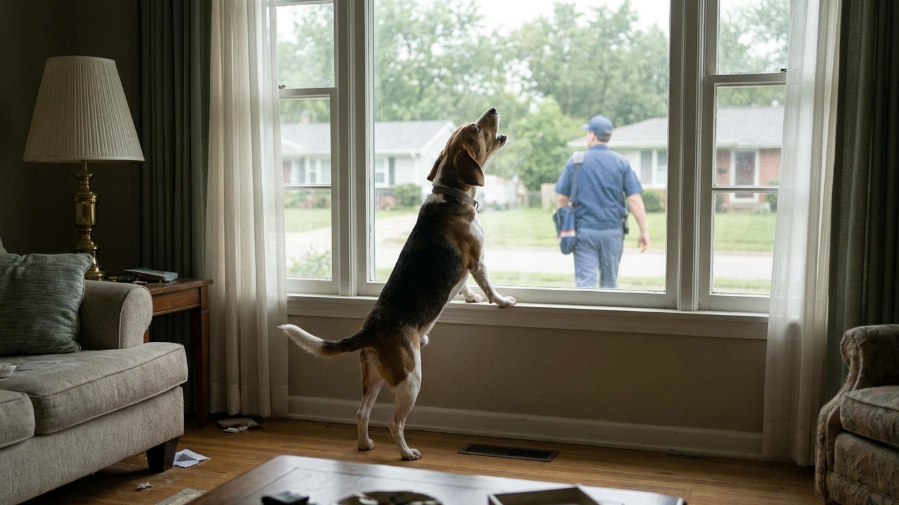
Dogs bark to alert their owners of strangers, other animals, or unusual activity near their territory.
3. Boredom and Lack of Stimulation
A dog with insufficient physical or mental activity may bark excessively to release pent-up energy.
4. Fear and Anxiety
Fearful dogs bark as a defensive reaction to unfamiliar people, noises, or situations.
5. Separation Anxiety
Dogs left alone for long periods may bark continuously due to stress and loneliness.
6. Excitement and Playfulness
High energy levels can lead to barking during play or when greeting people.
Types of Barking and What They Mean
Understanding the type of bark helps identify the cause:
- Short, repetitive barks → Alert or warning
- Continuous barking → Boredom or frustration
- High-pitched barking → Excitement or play
- Low, deep barking → Territorial or protective behavior
- Whining with barking → Anxiety or distress
Effective Ways to Stop Excessive Barking
1. Identify the Trigger
Observe your dog to determine what causes the barking—whether it’s people, noises, or isolation.
2. Use Positive Reinforcement
Reward your dog when they remain quiet. Treats, praise, or toys reinforce calm behavior.
3. Teach the “Quiet” Command
Train your dog to understand a command like “quiet.” Reward them immediately when they stop barking.
4. Increase Physical Exercise
Regular walks and play sessions reduce excess energy that often leads to barking.
5. Provide Mental Stimulation
Use puzzle toys and interactive games to keep your dog engaged and prevent boredom.
6. Limit Visual Triggers
Close curtains or block access to windows if your dog barks at outside activity.
7. Avoid Encouraging Barking
Do not respond immediately to barking, as it may reinforce attention-seeking behavior.
Managing Barking Due to Separation Anxiety
1. Gradual Desensitization
Train your dog to stay alone for short periods and gradually increase the time.
2. Create a Safe Space
Provide a comfortable and secure area where your dog feels relaxed.
3. Leave Comfort Items
Toys, blankets, or items with your scent can help reduce anxiety.
4. Maintain a Routine
Consistent schedules reduce uncertainty and stress.
Common Mistakes to Avoid
1. Shouting at Your Dog
Yelling can make dogs think you are joining in the barking, reinforcing the behavior.
2. Using Punishment-Based Methods
Harsh corrections increase fear and can worsen barking problems.
3. Ignoring the Root Cause
Treating symptoms without addressing the underlying issue leads to recurring problems.
4. Inconsistency in Training
Mixed signals confuse dogs and slow progress.
Preventing Barking Problems Early
1. Early Training and Socialization
Expose your dog to different environments, sounds, and people from a young age.
2. Establish Clear Boundaries
Teach your dog when barking is acceptable and when it is not.
3. Reward Calm Behavior
Encourage quiet moments with praise and rewards.
4. Keep Your Dog Engaged
Provide regular activities to prevent boredom and frustration.
Why Controlling Barking Is Important
Excessive barking can lead to stress, behavioral issues, and strained relationships with neighbors. Managing barking effectively ensures a peaceful environment and improves your dog’s overall well-being.
Conclusion: Creating a Calm and Balanced Dog
Addressing barking problems requires patience, consistency, and understanding. By identifying triggers, applying positive reinforcement, and maintaining a structured routine, we can successfully reduce excessive barking.
Add a Comment