
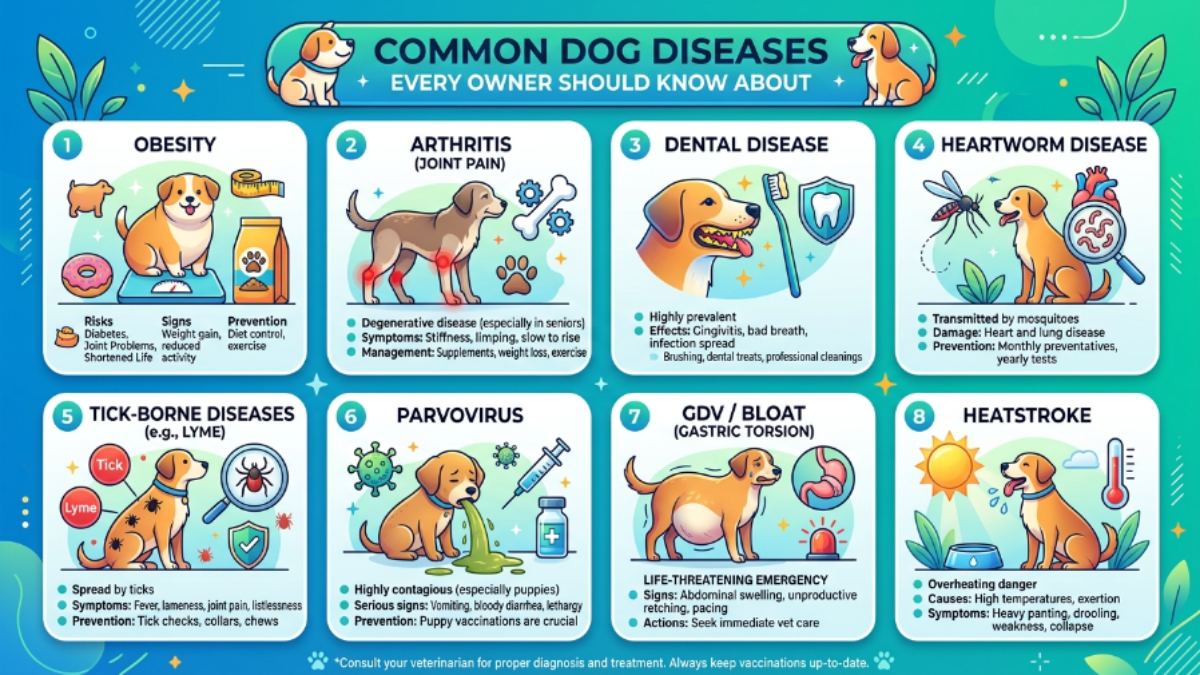
Taking care of a dog is not only about feeding, grooming, and training it also involves understanding dog health and common diseases that can affect their well-being. Dogs, like humans, are vulnerable to infections, genetic conditions, and lifestyle-related illnesses. Some diseases are mild and easy to treat, while others can become life-threatening if ignored.
Early detection is the key to keeping your dog healthy. Many serious conditions start with small symptoms that are often overlooked by pet owners. That’s why knowing the most common dog diseases helps you act quickly and prevent complications.
Think of your dog’s health like a warning system. Small changes in behavior, appetite, or energy level can be early signals that something is wrong.
Why Understanding Dog Diseases is Important
Understanding common dog diseases helps you become a more responsible pet owner. One of the biggest benefits is early diagnosis, which can significantly increase the chances of successful treatment.
It also helps in preventing disease spread, especially in multi-dog households or public spaces like parks and kennels.
Another important reason is cost savings. Treating diseases in early stages is often much cheaper than dealing with advanced conditions that require hospitalization or surgery.
Most importantly, awareness ensures your dog lives a longer, healthier, and happier life.
Most Common Dog Diseases
1. Parvovirus (Parvo)
Parvo is a highly contagious viral disease that mostly affects puppies. It attacks the digestive system and can be deadly if not treated quickly. Symptoms include severe vomiting, diarrhea (often bloody), weakness, and loss of appetite. Vaccination is the best protection against this disease.
2. Canine Distemper
Distemper is another serious viral disease that affects a dog’s respiratory, digestive, and nervous systems. It spreads through airborne exposure and infected animals. Early symptoms include fever, coughing, nasal discharge, and lethargy. In advanced stages, it can cause seizures and neurological damage.
3. Rabies
Rabies is one of the most dangerous diseases in dogs and is fatal once symptoms appear. It affects the nervous system and can be transmitted to humans through bites. Symptoms include aggression, excessive drooling, paralysis, and behavioral changes. Regular vaccination is mandatory for prevention.
4. Kennel Cough
Kennel cough is a respiratory infection that spreads quickly in places where dogs are in close contact. It causes a dry, persistent cough, sneezing, and mild fever. While not usually life-threatening, it can become serious in puppies or older dogs.
5. Ear Infections
Ear infections are very common, especially in dogs with floppy ears. They are usually caused by bacteria, yeast, or allergies. Symptoms include head shaking, scratching ears, redness, and bad odor. Regular cleaning helps prevent infections.
6. Skin Allergies
Skin allergies can be triggered by food, pollen, fleas, or environmental factors. Symptoms include itching, redness, hair loss, and skin irritation. Identifying the cause is important for proper treatment.
7. Worm Infestation
Intestinal worms like roundworms, hookworms, and tapeworms are common in dogs. They can cause weight loss, bloated stomach, diarrhea, and weakness. Regular deworming is essential to keep your dog healthy.
8. Hip Dysplasia
Hip dysplasia is a genetic condition where the hip joint does not develop properly. It is common in larger breeds. Dogs may show difficulty walking, limping, or stiffness. Early management can improve quality of life.
9. Obesity
Obesity is one of the most common lifestyle-related diseases in dogs. It increases the risk of diabetes, heart disease, and joint problems. Poor diet and lack of exercise are the main causes.
10. Dental Disease
Poor dental hygiene leads to plaque buildup, gum infections, and bad breath. If untreated, it can affect the heart and kidneys. Regular teeth cleaning and dental chews help prevent this condition.
Symptoms of Illness in Dogs
Recognizing early symptoms is very important for quick treatment. Common warning signs include:
- Loss of appetite
- Vomiting or diarrhea
- Excessive thirst or urination
- Lethargy or weakness
- Coughing or sneezing
- Skin changes or itching
- Sudden behavior changes
If you notice any of these symptoms, consult a veterinarian immediately.
How to Prevent Common Dog Diseases
Prevention is always better than treatment. One of the most effective methods is vaccination, which protects against deadly diseases like parvo, distemper, and rabies.
Regular deworming and flea control are also important to avoid parasites.
A balanced healthy diet strengthens the immune system, making dogs more resistant to infections.
Proper hygiene and grooming help prevent skin and ear infections.
Finally, regular vet checkups ensure early detection of hidden health issues.
Importance of Regular Veterinary Care
Routine veterinary visits play a major role in maintaining your dog’s health. Vets can detect early signs of disease before they become serious. They also provide vaccinations, nutritional advice, and preventive care plans tailored to your dog’s needs.
Skipping vet visits often leads to late diagnosis, which can make treatment more difficult and expensive.
Conclusion
Understanding dog health and common diseases is essential for every pet owner who wants to ensure a long and healthy life for their dog. Many diseases can be prevented or controlled with proper care, vaccination, and regular checkups.
Your dog depends on you for protection and care. By staying informed and observant, you can detect problems early and provide timely treatment. A healthy dog is not just a happy pet it is a loyal companion who enjoys life to the fullest.
FAQs
1. What is the most common disease in dogs?
Parvovirus, kennel cough, and skin allergies are among the most common diseases in dogs.
2. How can I prevent diseases in my dog?
Vaccination, proper diet, hygiene, and regular vet visits are key to prevention.
3. Is kennel cough dangerous?
It is usually mild but can become serious in puppies, senior dogs, or weak immune systems.
4. How often should I take my dog to the vet?
At least once a year for healthy adult dogs, and more frequently for puppies or senior dogs.
5. Can dog diseases spread to humans?
Yes, some diseases like rabies can be transmitted to humans, which is why vaccination is very important.
Add a Comment