
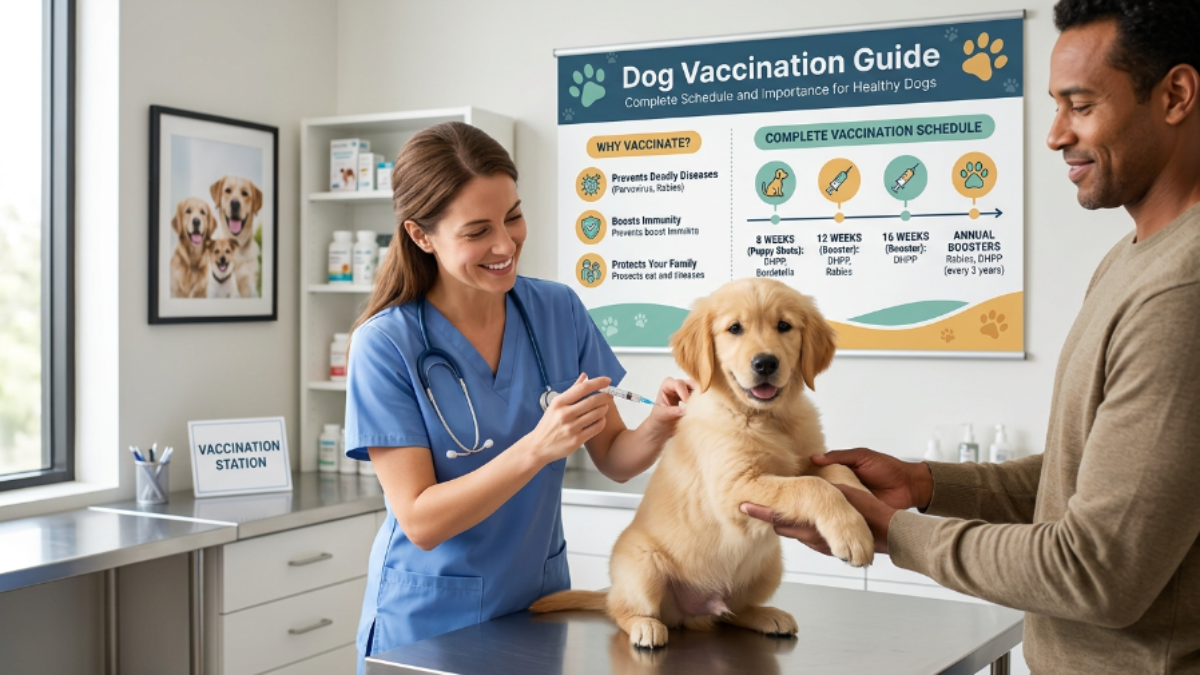
A dog vaccination guide is essential for every responsible pet owner who wants to protect their dog from serious and sometimes deadly diseases. Vaccines help build immunity against harmful viruses and bacteria, reducing the risk of infections like rabies, parvovirus, and distemper.
Just like humans, dogs also need protection from diseases that can spread quickly and become life-threatening. Vaccination prepares your dog’s immune system to fight these infections before they can cause serious harm.
Many dog diseases are preventable, and vaccines are one of the most effective tools available in veterinary medicine. Without proper vaccination, even a healthy-looking dog can suddenly fall ill.
Think of vaccines as a shield—your dog may still come into contact with diseases, but the vaccine helps their body fight back effectively.
Why Dog Vaccination is Important
Vaccination is not optional—it is a critical part of your dog’s health care routine. One of the biggest benefits is disease prevention. Vaccines protect dogs from dangerous illnesses that may otherwise have no cure.
Another important reason is community protection. Vaccinated dogs help prevent the spread of contagious diseases to other animals in parks, shelters, and neighborhoods.
Vaccination also helps reduce medical expenses. Treating serious diseases like parvovirus or distemper can be very expensive and stressful, while vaccines are relatively affordable and preventive.
Most importantly, vaccination ensures your dog lives a longer, healthier, and safer life.
Core Vaccines for Dogs
Core vaccines are essential for all dogs, regardless of breed, age, or lifestyle. These protect against the most dangerous and widespread diseases.
1. Rabies Vaccine
Rabies is a fatal viral disease that affects the nervous system and can spread to humans. It is usually required by law in many countries. Once symptoms appear, rabies has no cure, making vaccination extremely important.
2. Canine Distemper Vaccine
Distemper affects a dog’s respiratory, digestive, and nervous systems. It is highly contagious and can lead to severe complications or death if not prevented through vaccination.
3. Parvovirus Vaccine
Parvovirus is especially dangerous for puppies. It causes severe vomiting, diarrhea, and dehydration. Without treatment, it can be fatal within days. Vaccination is the best protection.
4. Adenovirus (Hepatitis) Vaccine
This vaccine protects against infectious canine hepatitis, which affects the liver, kidneys, and eyes. It can cause serious organ damage if left untreated.
Non-Core Vaccines for Dogs
Non-core vaccines are recommended based on your dog’s lifestyle, environment, and risk factors.
1. Kennel Cough Vaccine
Recommended for dogs that interact with other dogs in parks, boarding facilities, or grooming centers. It helps prevent respiratory infections.
2. Leptospirosis Vaccine
Leptospirosis is a bacterial infection that can spread through contaminated water or soil. It can also affect humans, making it a zoonotic disease.
3. Lyme Disease Vaccine
This vaccine is important in areas where ticks are common. Lyme disease can cause joint pain, fever, and long-term health issues.
Puppy Vaccination Schedule
Puppies need multiple vaccinations to build strong immunity as they grow.
- 6–8 weeks: First vaccine (DHPP combination)
- 10–12 weeks: Booster shots (DHPP)
- 14–16 weeks: Final puppy booster + rabies vaccine
- 1 year: Booster for all core vaccines
- Every 1–3 years: Ongoing boosters depending on vet advice
Following this schedule ensures your puppy develops strong and lasting immunity.
Adult Dog Vaccination Schedule
Adult dogs also require regular booster shots to maintain protection.
- Core vaccines: Every 1–3 years
- Rabies vaccine: As required by law or vet recommendation
- Non-core vaccines: Based on exposure risk
Even if your dog appears healthy, immunity can decrease over time, so boosters are necessary.
Common Side Effects of Vaccination
Most dogs tolerate vaccines well, but mild side effects can occur. These are usually temporary and not dangerous.
Common side effects include:
- Mild fever
- Slight tiredness
- Swelling at injection site
- Reduced appetite for 1–2 days
Serious reactions are rare but should be reported to a veterinarian immediately.
Importance of Veterinary Guidance
Every dog is different, and vaccination schedules may vary based on breed, health condition, and location. A veterinarian can design a custom vaccination plan for your dog.
Regular vet visits also ensure your dog is healthy enough to receive vaccines and help monitor long-term immunity.
Skipping professional guidance can lead to missed vaccines or unnecessary risks.
Tips for Proper Vaccination Care
Always keep a vaccination record for your dog. This helps track which vaccines have been given and when boosters are due.
Avoid exposing your puppy to unvaccinated dogs or public areas until full vaccination is complete.
Maintain a healthy diet before and after vaccination to support immune response.
Observe your dog for 24–48 hours after vaccination for any unusual symptoms.
Conclusion
A proper dog vaccination guide is essential for protecting your pet from serious and life-threatening diseases. Vaccination is one of the simplest and most effective ways to ensure your dog stays healthy throughout their life.
By following a proper vaccination schedule and working closely with your veterinarian, you can provide your dog with strong immunity, better health, and a safer environment.
Vaccination is not just a medical routine it is a long-term investment in your dog’s life and happiness.
FAQs
1. Why is dog vaccination important?
Vaccination protects dogs from deadly and contagious diseases like rabies, parvovirus, and distemper.
2. When should I start vaccinating my puppy?
Vaccination usually starts at 6–8 weeks of age.
3. Do adult dogs still need vaccines?
Yes, adult dogs need booster shots to maintain immunity.
4. Are dog vaccines safe?
Yes, vaccines are generally safe with only mild and temporary side effects in most cases.
5. What happens if I skip vaccinations?
Skipping vaccines increases the risk of serious diseases that can be expensive or even fatal.
Add a Comment