
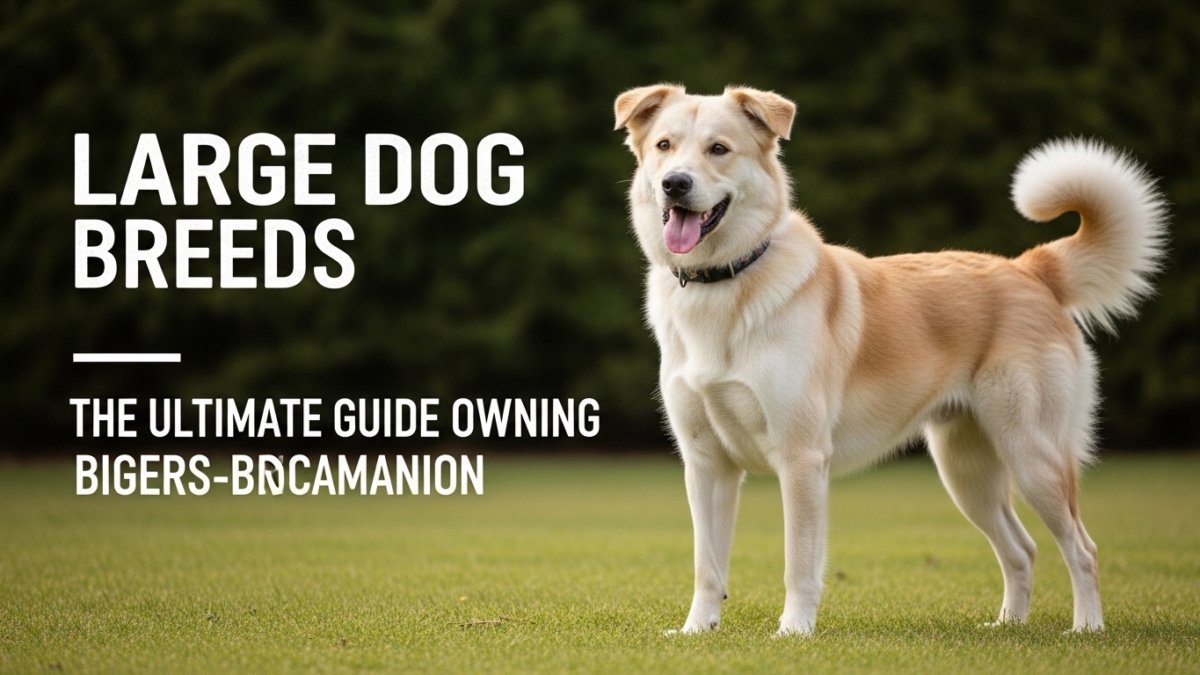
Large dog breeds have captivated dog lovers for centuries with their impressive stature, loyal temperaments, and commanding presence. Whether you’re drawn to their protective nature, gentle disposition, or simply love the idea of a bigger furry companion, large dog breeds offer unique rewards and challenges that differ significantly from their smaller counterparts. This comprehensive guide explores everything you need to know about large dog breeds, from understanding what makes them special to caring for them throughout their lives.
What Constitutes a Large Dog Breed?
Size Classification
Dog breeds are categorized by weight and height, with large breeds generally falling into two main categories:
Large Breed Dogs: Typically weigh between 50 and 100 pounds and stand 20-28 inches tall at the shoulder.
Giant Breed Dogs: Exceed 100 pounds in weight and often reach heights of 25 inches or more at the shoulder.
Some giant breeds can weigh as much as 200+ pounds, presenting unique care and management challenges. Understanding your dog’s size category helps you prepare appropriately for space requirements, exercise needs, and health considerations.
Size and Lifespan Relationship
Interestingly, larger dogs typically have shorter lifespans than their smaller counterparts. While small breeds often live 15-18 years, large breeds typically live 8-12 years, and giant breeds may live only 6-10 years. This inverse relationship between size and longevity is an important consideration for potential owners.
Popular Large Dog Breeds
German Shepherd
The German Shepherd stands as one of the most iconic large dog breeds, renowned for intelligence, versatility, and unwavering loyalty. These dogs excel in roles ranging from family companions to police and military service animals.
Breed Specifications:
- Weight: 50-90 pounds
- Height: 22-26 inches
- Lifespan: 9-13 years
- Coat: Double coat, various colors
- Temperament: Intelligent, confident, courageous, loyal
Key Characteristics: German Shepherds are highly intelligent and trainable, making them ideal for first-time large dog owners willing to invest in training. They require consistent mental stimulation and physical exercise to thrive. These dogs bond intensely with their families and can develop anxiety if left alone for extended periods.
Ideal For:
- Active families
- Experienced dog owners
- Properties with adequate space
- Owners committed to training and socialization
Labrador Retriever
Labrador Retrievers have maintained the position of America’s most popular dog breed for over two decades, thanks to their friendly demeanor, intelligence, and adaptability. Labs are equally comfortable as family pets, service dogs, or hunting companions.
Breed Specifications:
- Weight: 55-80 pounds
- Height: 21.5-24.5 inches
- Lifespan: 10-12 years
- Coat: Short, dense, water-resistant
- Temperament: Friendly, outgoing, even-tempered, loyal
Key Characteristics: Labs are naturally social and love human companionship. They’re water enthusiasts and excel in water-based activities. These dogs are highly food-motivated, making them easy to train but requiring careful weight management. Their gentle mouths make them excellent service and therapy dogs.
Ideal For:
- Families with children
- Active individuals and families
- First-time dog owners
- People seeking service or therapy dogs
Golden Retriever
Golden Retrievers are celebrated for their beautiful golden coats, gentle temperaments, and incredible patience with children. These dogs are among the most beloved family companions worldwide and excel in various roles including guide dogs and therapy animals.
Breed Specifications:
- Weight: 55-75 pounds
- Height: 20-24 inches
- Lifespan: 10-12 years
- Coat: Long, flowing, water-resistant
- Temperament: Gentle, intelligent, loyal, patient
Key Characteristics: Golden Retrievers are naturally empathetic and seem to understand human emotions intuitively. They require regular grooming due to their long coats and shed considerably. These dogs love water and outdoor activities but also enjoy being couch companions. Their intelligence and eagerness to please make them highly trainable.
Ideal For:
- Families with children
- Individuals seeking emotional support dogs
- Active families with outdoor interests
- Owners willing to commit to grooming
Great Dane
Great Danes are among the largest dog breeds, often called “gentle giants” due to their surprisingly calm and affectionate nature. Despite their imposing size, they often think they’re lap dogs and thrive on human companionship.
Breed Specifications:
- Weight: 110-175 pounds
- Height: 28-34 inches
- Lifespan: 7-10 years
- Coat: Short, glossy
- Temperament: Gentle, friendly, dignified, great with children
Key Characteristics: Great Danes require less exercise than many smaller breeds, making them suitable for apartment living if exercised adequately. They’re prone to health issues related to their massive size, including heart problems and bone disorders. These dogs don’t tolerate heat well and prefer cooler climates. Their short lifespan is a significant emotional consideration.
Ideal For:
- Families wanting a large dog with moderate exercise needs
- Apartment dwellers with adequate space
- People seeking a gentle, non-aggressive large dog
- Owners prepared for shorter lifespan
Rottweiler
Often misunderstood, Rottweilers are confident, loyal dogs that form strong bonds with their families. Properly trained and socialized, they make exceptional family companions and protectors. Their powerful appearance belies their affectionate nature with loved ones.
Breed Specifications:
- Weight: 80-135 pounds
- Height: 22-27 inches
- Lifespan: 8-11 years
- Coat: Short, dense, black with tan markings
- Temperament: Confident, loyal, calm, protective
Key Characteristics: Rottweilers require experienced owners who understand their need for firm, consistent leadership. They’re naturally suspicious of strangers but devoted to family members. Early socialization is crucial to prevent aggression issues. Despite negative stereotypes, they’re remarkably gentle with children they’re raised with.
Ideal For:
- Experienced dog owners
- Families seeking protective companions
- Active individuals
- Owners committed to training and socialization
Boxer
Boxers are muscular, athletic large dogs known for their boundless enthusiasm and playful nature. These clowns at heart form deep attachments to their families and are particularly patient with children, making them excellent family dogs.
Breed Specifications:
- Weight: 60-70 pounds
- Height: 21-25 inches
- Lifespan: 8-10 years
- Coat: Short, smooth, fawn or brindle
- Temperament: Playful, energetic, loyal, protective
Key Characteristics: Boxers are perpetually enthusiastic and require significant daily exercise to burn off energy. They’re sensitive to their owners’ emotions and respond well to positive reinforcement training. These dogs can be stubborn but are motivated by play and praise. They’re prone to certain health issues including heart conditions and cancer.
Ideal For:
- Active families
- Families with older children (their enthusiasm may be overwhelming for small kids)
- Owners with time for exercise and play
- People seeking a protective yet playful companion
Saint Bernard
Saint Bernards are massive, gentle dogs originally bred for Alpine rescue operations. These lovable giants have saved countless lives in snow-covered mountains and continue to endear themselves to families seeking gentle giants.
Breed Specifications:
- Weight: 120-180 pounds
- Height: 26-30 inches
- Lifespan: 8-10 years
- Coat: Dense, long or short
- Temperament: Gentle, friendly, patient, great with kids
Key Characteristics: Saint Bernards thrive in cooler climates and struggle in hot weather due to their thick coats. They require moderate exercise but need careful weight management due to their massive size. These dogs drool considerably and shed heavily. They’re exceptionally patient with children and have a natural instinct to protect them. They require regular grooming and can be prone to hip dysplasia and heart issues.
Ideal For:
- Families in cooler climates
- Homes with ample space
- People seeking gentle giants
- Families with children
- Owners committed to grooming and health management
Mastiff
Mastiffs are one of the largest and heaviest dog breeds, with some individuals weighing over 230 pounds. Despite their massive size and powerful appearance, they’re known for being gentle, dignified, and devoted family members.
Breed Specifications:
- Weight: 120-230 pounds
- Height: 28+ inches
- Lifespan: 6-10 years
- Coat: Short, dense, various colors
- Temperament: Gentle, loyal, protective, calm
Key Characteristics: Mastiffs are surprisingly laid-back and require moderate exercise. They’re excellent with children and are naturally protective without being aggressive. These dogs require proper socialization and training from puppies. Their massive size necessitates careful management, especially around young children who might be accidentally knocked over. They’re prone to serious health issues including hip dysplasia, heart disease, and cancer.
Ideal For:
- Experienced dog owners
- Families wanting a protective yet gentle giant
- Homes with significant space
- Owners prepared for potential health issues
- People seeking non-aggressive protection
Bernese Mountain Dog
Bernese Mountain Dogs are large, sturdy dogs originally bred for pulling carts and herding livestock in the Swiss Alps. These beautiful tri-colored dogs are known for their loyalty and gentle temperaments.
Breed Specifications:
- Weight: 70-115 pounds
- Height: 23-27.5 inches
- Lifespan: 7-10 years
- Coat: Long, thick, black with white and rust markings
- Temperament: Loyal, intelligent, affectionate, calm
Key Characteristics: Bernese Mountain Dogs excel in cooler climates and struggle in heat. They’re sensitive souls that respond well to gentle training methods. These dogs are excellent with families and children and form strong bonds with their humans. They require regular grooming and shed considerably. They’re prone to hip dysplasia and have relatively short lifespans for their intelligence and health.
Ideal For:
- Families in cooler climates
- People seeking loyal, gentle companions
- Families with children
- Owners committed to grooming
- Active families with moderate exercise needs
Newfoundland
Newfoundlands are massive, water-loving dogs originally bred as water rescue dogs. These gentle giants are known for their swimming ability, calm demeanor, and natural instinct to protect people in water.
Breed Specifications:
- Weight: 100-150 pounds
- Height: 28 inches
- Lifespan: 8-10 years
- Coat: Thick, double coat, water-resistant
- Temperament: Gentle, sweet, protective, calm
Key Characteristics: Newfoundlands are exceptional swimmers and love water activities. They’re incredibly gentle with children and have a natural instinct to rescue people. These dogs require significant grooming and shed heavily. They’re prone to hip dysplasia and heart issues. They thrive in cool climates and struggle with heat. Their calm, gentle nature makes them excellent therapy dogs.
Ideal For:
- Families with water access
- People seeking gentle, protective giants
- Owners in cooler climates
- Families with children
- People committed to grooming
Irish Wolfhound
Irish Wolfhounds are among the tallest dog breeds, often reaching over 30 inches in height. These sighthounds are known for their gentle, calm demeanor despite their impressive size and historical role as hunters.
Breed Specifications:
- Weight: 140-180 pounds
- Height: 30+ inches
- Lifespan: 6-8 years
- Coat: Rough, medium length
- Temperament: Gentle, calm, loyal, dignified
Key Characteristics: Irish Wolfhounds have surprisingly low exercise needs for their size. They’re gentle giants that are excellent with children and families. These dogs have very short lifespans, making them a significant emotional commitment for shorter periods. They’re prone to heart disease and bone cancer. They require moderate grooming and are gentle, easygoing companions.
Ideal For:
- Families seeking tall gentle giants
- People understanding short lifespan commitment
- Homes with ample space
- People seeking calm, dignified companions
- Families with children
Health Considerations for Large Dog Breeds
Common Health Issues in Large Dogs
Large dog breeds face unique health challenges related to their size and rapid growth patterns. Understanding these conditions helps you recognize symptoms early and seek appropriate treatment.
Hip and Elbow Dysplasia
Hip and elbow dysplasia are orthopedic conditions affecting the joints, caused by abnormal development or joint instability. These conditions are particularly common in large and giant breeds.
Symptoms include limping, difficulty rising, reluctance to jump or climb stairs, and decreased activity levels. Dysplasia can lead to osteoarthritis and significant mobility issues. Reputable breeders screen for dysplasia using OFA or PennHIP evaluations. Management includes weight control, appropriate exercise, and medications like glucosamine or NSAIDs. Severe cases may require surgical intervention.
Heart Disease
Large dog breeds, particularly those over 100 pounds, are susceptible to dilated cardiomyopathy (DCM), a condition where the heart becomes enlarged and weakens, reducing its pumping efficiency.
DCM symptoms include lethargy, difficulty exercising, coughing, and difficulty breathing. Some dogs show no symptoms until sudden collapse occurs. Regular cardiac screening is recommended, particularly for predisposed breeds. Management includes cardiac medications, dietary modifications, and activity restrictions. Early detection significantly improves outcomes.
Bloat (Gastric Dilatation-Volvulus)
Bloat is a life-threatening emergency where the stomach fills with gas and potentially twists. Deep-chested, large breeds are at particularly high risk. This condition can be fatal within hours if untreated.
Symptoms include restlessness, distended abdomen, excessive drooling, retching without vomiting, and shallow breathing. Seek immediate veterinary care if you suspect bloat. Prevention includes feeding multiple smaller meals, avoiding exercise after eating, and potentially prophylactic surgery (gastropexy) for high-risk dogs.
Bone and Joint Problems
Large breed puppies experience rapid growth, stressing developing bones and joints. Nutritional imbalances during growth can cause permanent skeletal problems.
Proper nutrition with appropriate calcium and phosphorus ratios is crucial. Large-breed puppy formulas are specifically formulated to support healthy growth. Controlled exercise during puppyhood (avoid high-impact activities like jumping) protects developing joints.
Cancer
Large breeds have higher cancer incidence than smaller dogs. Common cancers include osteosarcoma (bone cancer), hemangiosarcoma (blood vessel cancer), and lymphoma.
Early detection through regular veterinary check-ups and monitoring for lumps, behavioral changes, or difficulty eating improves treatment outcomes. Some preventative measures include maintaining healthy weight, providing antioxidant-rich diets, and avoiding environmental carcinogens.
Preventative Health Measures
Regular Veterinary Care
Schedule check-ups every 6-12 months for adult dogs and every 6-8 weeks for puppies. Regular exams detect health issues early when treatment is most effective.
Genetic Screening
Obtain OFA or PennHIP screening for hip and elbow dysplasia. Request cardiac evaluations (echocardiograms or EKGs) for breeds prone to heart disease. This information guides treatment and breeding decisions.
Appropriate Nutrition
Feed high-quality, large-breed-specific dog food with appropriate calcium and phosphorus ratios. Avoid overfeeding, which accelerates growth and stresses developing systems. Discuss nutritional needs with your veterinarian.
Controlled Exercise
Provide age-appropriate exercise without overexertion. Puppies should avoid jumping, running on hard surfaces, and long-distance running until growth plates close (14-18 months depending on breed).
Weight Management
Maintain healthy body weight to reduce stress on joints and heart. Obesity significantly increases health risks in large dogs.
Current Vaccinations
Keep vaccinations current according to your veterinarian’s recommendations. Discuss which vaccines are necessary versus optional based on your dog’s lifestyle.
Nutrition and Feeding for Large Dogs
Dietary Requirements
Large dog breeds have specific nutritional needs that differ from smaller dogs. Meeting these needs supports growth, maintains muscle mass, and prevents obesity-related health issues.
Protein Requirements
Protein supports muscle development and maintenance. Large dogs need adequate protein (typically 20-30% of diet) from quality sources including meat, fish, and eggs. Protein helps maintain lean muscle mass and supports overall body function.
Fat and Calories
Fat provides essential fatty acids and energy. However, excessive calories, particularly in large-breed puppies, accelerates growth and increases joint stress. Most adult large dogs require 1,000-2,500 calories daily depending on size, age, and activity level.
Calcium and Phosphorus
These minerals are critical for bone development, especially in large-breed puppies. Excessive calcium can cause skeletal problems, so the ratio and amount are important. Large-breed puppy formulas are specifically balanced for healthy growth without acceleration.
Joint Health Supplements
Glucosamine, chondroitin, and omega-3 fatty acids support joint health and may help prevent or manage dysplasia-related issues. Many veterinarians recommend these supplements for large breeds, particularly those with joint disease.
Feeding Guidelines
Puppies (0-12 months):
- Use large-breed-specific puppy formulas
- Feed 3-4 times daily until 6 months, then 2 times daily
- Avoid free-feeding; measure portions carefully
- Do not supplement with additional calcium or vitamins
- Avoid high-protein diets that accelerate growth
Adults (1-7 years):
- Feed high-quality, large-breed adult formulas
- Divide meals into 2 portions daily
- Feed measured amounts rather than free-feeding
- Monitor weight and adjust portions accordingly
- Avoid feeding immediately before or after exercise
Seniors (7+ years):
- Consider senior-specific formulas with joint support
- Adjust portions for reduced activity levels
- Maintain lean body condition to reduce joint stress
- Provide regular veterinary monitoring
Food and Water Considerations
Elevated food and water bowls reduce strain on the neck and joints, particularly beneficial for large dogs. However, some research suggests elevated bowls may increase bloat risk, so discuss this with your veterinarian.
Always provide fresh, clean water. Large dogs require significant water intake. Some owners use water fountains to encourage drinking, which is particularly important for dogs prone to kidney issues.
Exercise and Activity Needs
Exercise Requirements by Life Stage
Large dog breeds have different exercise needs at different life stages. Understanding these needs prevents both under-exercise and over-exercise, which can cause problems.
Puppies (0-12 months): Large breed puppies need controlled, moderate exercise rather than intensive activity. High-impact activities like jumping or running on hard surfaces stress developing joints and bones.
Recommended: 5 minutes of exercise per month of age, twice daily. A 4-month-old puppy would get approximately 20 minutes of exercise, twice daily. Focus on short walks, gentle play, and mental stimulation rather than intense activities.
Young Adults (1-3 years): Once growth plates close (typically 14-18 months depending on breed), young adult dogs can handle more intensive exercise. However, they still benefit from gradual conditioning.
Recommended: 60-120 minutes daily exercise depending on breed, divided into multiple sessions. Include walking, running, swimming, or other activities your dog enjoys.
Adults (3-7 years): Adult large dogs benefit from consistent, daily exercise that matches their breed’s energy level.
Recommended: 60-120 minutes daily, tailored to individual dog’s energy level and health status. Include both cardiovascular exercise and mental stimulation.
Seniors (7+ years): Senior dogs benefit from moderate, consistent exercise adapted for age-related limitations. Adjust for arthritis, reduced endurance, or health conditions.
Recommended: 30-60 minutes daily in shorter sessions, avoiding high-impact activities. Swimming and walking are excellent low-impact exercises.
Types of Exercise
Walking
Daily walks provide essential cardiovascular exercise and mental stimulation. Large dogs benefit from variety in routes and environments. Walk frequency and duration should match your dog’s age, health status, and energy level.
Running and Jogging
Wait until growth plates close (14-18 months) before intensive running. Once mature, running provides excellent cardiovascular exercise. However, large breeds may not be ideal jogging partners due to joint stress.
Swimming
Swimming is excellent exercise for large dogs because water supports their weight, reducing joint stress. Many large breeds naturally love water. Swimming builds strength and endurance without impact.
Fetch and Retrieving
Games like fetch provide mental engagement and exercise. Large retrievers particularly enjoy these activities. However, excessive jumping or running on hard surfaces can stress joints.
Agility and Obedience Training
Structured training activities provide mental stimulation and can improve behavior. Avoid high-impact obstacles for young dogs; focus on mental challenges instead.
Dog Sports
Dock diving, canine freestyle, lure coursing, and other dog sports allow large breeds to exercise in structured environments. Consult your veterinarian before starting high-impact sports.
Training and Socialization
Basic Obedience Training
Large dogs require consistent training and clear boundaries. Their size makes unwanted behaviors (jumping, pulling on leash) problematic and potentially dangerous.
Essential Commands:
- Sit
- Stay
- Down
- Come
- Leave it
- Heel
Consistent training from puppyhood prevents behavioral issues. Positive reinforcement methods work best for most large breeds. Start training early before size becomes unmanageable.
Socialization
Proper socialization, particularly during puppyhood (8-16 weeks), is critical for large dogs. Well-socialized dogs are confident, friendly, and less likely to develop fear-based aggression.
Socialization Components:
- Exposure to various environments (parks, streets, stores)
- Interaction with different people (various ages, appearances)
- Experience with other dogs and animals
- Exposure to different sounds and stimuli
- Positive reinforcement for calm behavior
Why Socialization Matters:
Fear-based aggression is dangerous in large dogs. A 100-pound dog acting out of fear can cause serious injury. Proper socialization builds confidence and reduces fear responses. Socialized dogs are safer, happier, and better family members.
Professional Training
Consider professional training for:
- First-time large dog owners
- Dogs with behavioral problems
- Dogs showing aggression
- Complex behavioral issues
Professional trainers can assess problems and provide tailored solutions. Group classes and private training are both valuable options.
Space and Living Conditions
Home Requirements
Large dogs need adequate space to move comfortably, though “adequate” varies by breed.
Apartment Living
Some large dogs adapt well to apartments if exercised adequately. Dogs like Mastiffs or Great Danes, despite their size, can live in apartments because they have moderate exercise needs and calm temperaments. However, high-energy breeds like German Shepherds or Boxers struggle in apartments without extensive exercise.
House and Yard Requirements
Most large dogs thrive with access to a house and yard. Recommended:
- Securely fenced yard (at least 5-6 feet tall)
- Adequate indoor space for comfortable movement
- Cool, well-ventilated areas
- Comfortable sleeping areas large enough for adult size
Climate Considerations
Large dogs with thick coats (Saint Bernards, Newfoundlands, Bernese Mountain Dogs) thrive in cool climates and struggle in heat. These breeds require:
- Access to shade and cool areas
- Limited exercise during hot weather
- Possibly clipping in summer (consult breed standards)
- Careful monitoring for heat exhaustion
Short-haired large breeds (Mastiffs, Boxers, Great Danes) tolerate heat better but still need shade and water during hot weather.
Temperature Management
Large dogs generate significant body heat. Provide:
- Air conditioning or fans during hot weather
- Adequate insulation in cold climates
- Clean water always available
- Shaded areas for outdoor time
Grooming and Coat Care
Grooming Requirements by Coat Type
Short-Haired Breeds (Mastiff, Boxer, Great Dane)
- Brush 1-2 times weekly to remove loose hair
- Bathe monthly or as needed
- Regular nail trimming
- Occasional ear cleaning
- Low overall grooming time
Double-Coated Breeds (German Shepherd, Labrador Retriever)
- Brush 2-4 times weekly, daily during shedding seasons
- Bathe every 6-8 weeks
- Regular nail trimming
- Periodic undercoat removal
- Moderate grooming time
Long-Haired Breeds (Golden Retriever, Saint Bernard, Bernese Mountain Dog)
- Brush 3-5 times weekly, daily during shedding
- Bathe every 4-8 weeks
- Regular nail trimming
- Frequent undercoat maintenance
- Significant grooming time commitment
Grooming Supplies
Quality grooming supplies are important:
- Slicker brush for mat removal
- Undercoat rake for shedding management
- Nail clippers or grinder
- Dog shampoo and conditioner
- Ear cleaning solutions
- Toothbrush and dog toothpaste
Professional Grooming
Many large dog owners use professional groomers for:
- Nail trimming
- Sanitary trims
- Occasional baths
- Mat removal
Professional grooming reduces the grooming burden and prevents coat problems.
Cost of Owning a Large Dog Breed
Initial Costs
Large dog ownership involves significant upfront expenses:
Puppy Purchase: $500-$3,500 depending on breed and breeder source. Adopting from shelters or rescues costs $50-$500.
Initial Veterinary Care: $500-$1,500 including initial exam, vaccinations, deworming, microchipping, and spay/neuter surgery.
Equipment: $300-$800 for bed, crate, food/water bowls, collar, leash, toys, and grooming supplies.
Training: $200-$2,000+ for obedience classes or private training.
Total First Year: Expect $2,000-$6,000+ for initial expenses.
Annual Costs
Food: $1,000-$2,500+ depending on breed size and food quality. Giant breeds have significantly higher food costs.
Veterinary Care: $500-$1,500 annually for routine care. Add $2,000-$5,000+ for emergency care or health issues.
Grooming: $200-$800 annually depending on coat type and professional grooming frequency.
Training: $0-$2,000+ depending on ongoing training needs.
Preventative Medications: $200-$500 annually for flea, tick, and heartworm prevention.
Supplies and Toys: $200-$500 annually.
Potential Emergency/Health: Variable, but budget $1,000-$3,000 for unexpected health issues.
Total Annual Cost: $3,000-$8,000+ depending on breed and individual circumstances.
Choosing the Right Large Dog Breed for Your Family
Key Considerations
Lifestyle and Activity Level
Honest assessment of your activity level is crucial. If you’re sedentary, choose low-energy breeds like Mastiffs or Great Danes. Active families should consider German Shepherds, Boxers, or Labrador Retrievers.
Living Space
Evaluate your home and yard. While some large dogs adapt to apartments, most benefit from houses with yards. Ensure adequate space for your dog’s adult size.
Experience Level
First-time dog owners should consider breeds known for trainability and gentle temperaments (Labrador Retrievers, Golden Retrievers, Boxers). Experienced owners can handle more independent breeds (Rottweilers, Caucasian Shepherds).
Family Composition
Consider children’s ages and other pets. Gentle breeds like Golden Retrievers and Newfoundlands are excellent with children. Some breeds have high prey drives or may be better with older children.
Time Commitment
Evaluate time for exercise, training, grooming, and socialization. Some breeds require more grooming and mental stimulation than others.
Health Predispositions
Research breed-specific health issues. If hip dysplasia runs in your family’s chosen breed, ensure your breeder conducts appropriate health screenings.
Allergies
Some people are allergic to dog dander regardless of coat type, but low-shedding breeds may be better for mild allergies. No breed is truly hypoallergenic.
Financial Resources
Large dogs are expensive. Ensure you can afford food, veterinary care, training, and emergency expenses. Budget for potential health issues.
Long-Term Commitment
Remember that even short-lived large breeds (6-10 years) represent a significant commitment. Ensure your lifestyle can accommodate a large dog for its entire life.
Conclusion
Large dog breeds offer incredible rewards for families and individuals willing to meet their specific needs. These magnificent animals provide unwavering loyalty, protection, and companionship that enriches lives immeasurably. From the intelligent and versatile German Shepherd to the gentle and massive Newfoundland, large breeds display remarkable diversity in personality, appearance, and temperament.
Choosing to add a large dog to your family requires careful consideration of your lifestyle, experience, space, and financial resources. With proper selection, training, socialization, nutrition, exercise, and healthcare, your large dog will become a cherished family member providing joy and companionship for years to come.
Take time to research breeds that match your lifestyle and consult with veterinarians, breed experts, and current owners. Visit shelters and rescues if interested in adoption, where many wonderful large dogs await homes. Whether you choose a purebred puppy or an adult rescue, large dog ownership is a rewarding journey that transforms lives.
Add a Comment